

Social media optimization (SMO) is defined as the systematic process of refining profiles, keywords, content, and engagement tactics to maximize visibility across social platforms. Where traditional marketing pushes messages outward, SMO pulls audiences in by making your content easier to find. With 5.79 billion global social media users representing 69.9% of the world's population, the competition for attention has never been tighter. Brands and managers who treat SMO as a technical discipline, not just a creative one, consistently outperform those who rely on posting frequency alone.
What is social media optimization, and how does it work?
Social media optimization is the practice of making your social presence discoverable, not just visible. The distinction matters because visibility is passive. Discoverability is active. It means platforms like Instagram, TikTok, and LinkedIn actively surface your content to people who have never followed you.
Social platforms now rank content based on keywords, viewing behavior, and relevance, not just chronological order. That shift changes everything about how brands should approach content creation. A post without keyword-rich captions, proper alt text, and a complete profile is invisible to the algorithm, regardless of how good the creative looks.

SMO also covers the technical layer most brands ignore. Profile metadata, verified accounts, and platform-native features like alt text help algorithms classify content relevance. Technical optimization consistently outweighs visual aesthetics for discoverability. That is a hard truth for brands that invest heavily in design but neglect their bio keywords or category settings.
How does SMO differ from social media strategy and marketing?
These three terms get used interchangeably, but they describe different jobs. Understanding the difference helps you allocate time and resources correctly.
Social media strategy defines what you post and why. It covers content pillars, audience personas, brand voice, and campaign objectives. Strategy answers the big-picture questions.
Social media optimization focuses on how and where content gets discovered. SMO involves auditing bios, keywords, and posting schedules to align with platform algorithms. It is the technical execution layer beneath the strategy.
Social media marketing focuses on driving immediate conversions through paid promotion, influencer partnerships, and campaign-specific content. Marketing is transactional. SMO is structural.
| Discipline | Primary focus | Time horizon |
|---|---|---|
| Social media strategy | Content planning and objectives | Long term |
| Social media optimization | Discoverability and technical setup | Ongoing |
| Social media marketing | Conversions and paid reach | Short to medium term |
The most effective brands run all three in parallel. Strategy sets the direction. SMO builds the infrastructure. Marketing accelerates results. Skipping SMO means your strategy and marketing spend work harder than they need to.
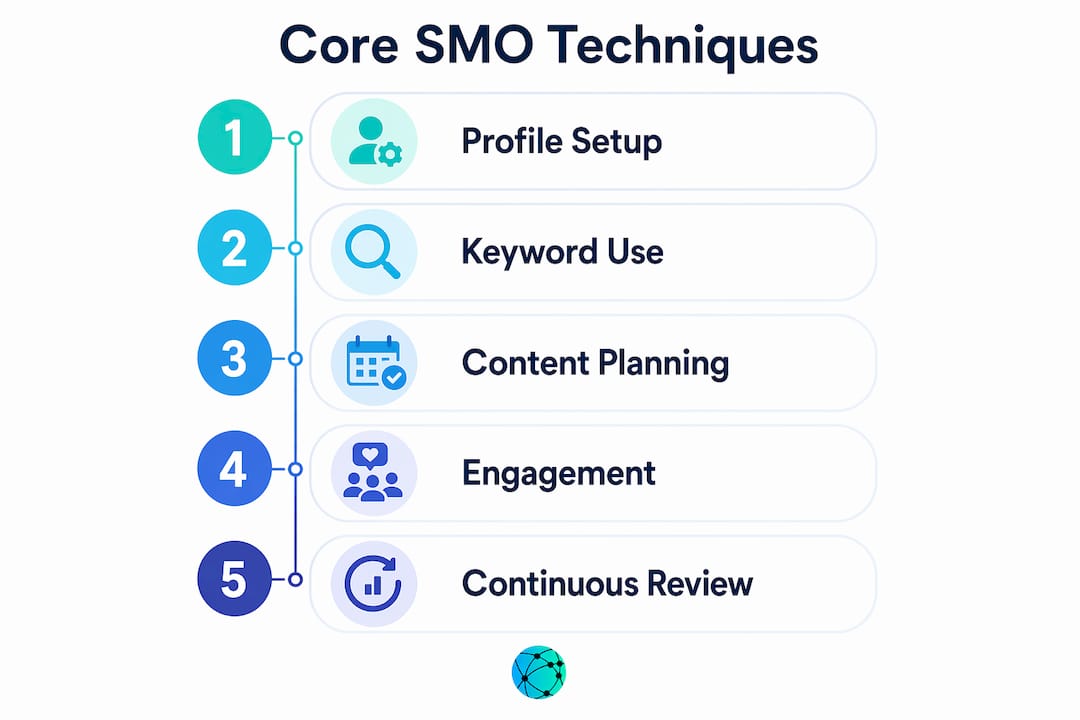
What are the core techniques for effective SMO?
Effective social media optimization covers several distinct layers. Each one compounds the others when done consistently.
Profile optimization
Your bio is your most indexed piece of content on any platform. Use descriptive keywords in your name field, bio text, and category selection. A fitness brand that writes "Personal Trainer | Online Coaching | Strength Programs" in its Instagram name field ranks for those terms in platform search. One that writes "Welcome to our page" does not. Lflow's AI bio generator helps brands build keyword-rich bios built for algorithmic discoverability in minutes.
Content and keyword optimization
Platform search bars are the new keyword research tool. Type your niche term into Instagram, TikTok, or LinkedIn search and study the autocomplete suggestions. Those suggestions reflect what real users are searching for on that platform. Build those phrases into captions, video titles, and hashtags.
Alt text on images serves a dual purpose. It improves accessibility and tells the algorithm exactly what your image contains. Most brands skip it entirely, which is a missed ranking signal.
Engagement and link optimization
Calls to action placed early in captions drive more clicks than those buried at the end. The first line of a caption is the only line most users read before scrolling. Put your CTA there. For link management, consolidating multiple destinations into a single optimized bio link reduces friction and keeps audiences moving toward your goals.
Here is a core SMO technique checklist:
- Complete every profile field, including category, location, and website
- Use platform-specific keywords in your name field and bio
- Add alt text to every image you publish
- Write captions that front-load keywords in the first sentence
- Use 3–5 targeted hashtags rather than 30 generic ones
- Post during peak audience activity windows identified in your analytics
- Respond to comments within the first hour of posting to signal engagement
- Audit your profile quarterly for outdated information or broken links
- Use platform-native formats (Reels, Carousels, LinkedIn Articles) that algorithms favor
- Track which content formats drive saves and shares, not just likes
Pro Tip: SMO is not a one-time setup. Treat your profile and content settings as a living document. Revisit keyword choices every quarter as platform search behavior shifts.
Why is SMO a business necessity in 2026?
The numbers make the case plainly. 30% of consumers plan to increase their social media use in 2025, and that trend carries directly into 2026. More users means more content competing for the same attention. Without optimization, even well-funded brands get buried.
The shift of social platforms to discovery engines changes the economics of organic reach. Brands that optimize for search intent within platforms attract new audiences without paying for every impression. That compounds over time in a way that paid advertising alone cannot replicate.
60% of users report a net positive impact from social media interactions. That statistic points to something important. Audiences are not passive. They are actively seeking content that resonates, which means optimized content that matches search intent gets rewarded with genuine engagement, not just algorithmic boosts.
Brands that treat social media as core infrastructure, integrating social listening, customer care, and consistent engagement, build the trust that makes optimization work. SMO without community management is like a well-indexed website with no customer service. The traffic arrives and then leaves.
How do you build a continuous SMO feedback loop?
SMO fails when brands treat it as a launch task. Algorithm updates require continuous analytics review and iterative adjustment of captions, timing, and visuals. A feedback loop turns one-time setup into a compounding advantage.
A practical review cycle looks like this:
- Weekly: Check post-level analytics for reach, saves, and shares. Identify which caption formats and content types outperformed the baseline. Adjust the next week's posts accordingly.
- Monthly: Audit hashtag performance. Replace underperforming tags with new terms sourced from platform search autocomplete. Review posting times against audience activity data.
- Quarterly: Conduct a full profile audit. Update bio keywords, refresh the link in bio destination, and review category settings. Compare follower growth and engagement rates against the previous quarter.
- Annually: Reassess your entire content strategy against platform algorithm changes. Platforms like TikTok and LinkedIn update their ranking signals regularly, and what worked in january may underperform by october.
Tying SMO efforts to documented KPIs prevents the common trap of chasing vanity metrics. Follower count is not a business outcome. Website clicks, lead form completions, and direct message inquiries are. Build your review cycles around metrics that connect to revenue.
Pro Tip: Integrate your SMO review into your existing social media management calendar. Block 30 minutes every Monday for weekly analytics review. Consistency beats intensity every time.
For brands managing multiple platforms, a multi-link bio acts as a central hub that ties all optimization efforts together. Every platform points to one destination, and analytics reveal exactly which platform drives the most valuable traffic.
Key Takeaways
Social media optimization is the technical foundation that makes every other social media effort more effective, combining profile metadata, keyword research, and continuous analytics review into a compounding growth system.
| Point | Details |
|---|---|
| SMO is a technical discipline | Profile metadata, alt text, and keyword placement drive discoverability more than creative quality alone. |
| Platforms are discovery engines | Instagram, TikTok, and LinkedIn rank content by keywords and behavior, not just follower count. |
| Continuous review is required | Weekly, monthly, and quarterly audit cycles keep SMO effective as algorithms change. |
| KPIs prevent vanity metrics | Tie every optimization effort to measurable outcomes like clicks, leads, or conversions. |
| Profile optimization compounds | A complete, keyword-rich profile works for you 24 hours a day without additional spend. |
SMO is the infrastructure most brands are still missing
I have reviewed hundreds of brand profiles across Instagram, LinkedIn, and TikTok over the years. The pattern is almost always the same. Brands invest heavily in content production and paid promotion, then wonder why organic growth stalls. The answer is almost always in the infrastructure, not the content itself.
The brands that grow consistently are not necessarily posting better content. They are posting optimized content. Their bios use the exact phrases their audiences type into search bars. Their captions front-load keywords. Their link destinations are clean, fast, and tracked. These are not glamorous tasks. They are the ones that actually move the needle.
The most counterintuitive lesson I have learned is that marketers should stop chasing engagement and start optimizing for search intent. Engagement is a lagging indicator. Discoverability is the leading one. When you optimize for how people search within a platform, engagement follows naturally because the right people find you.
The other thing most guides miss is the cost of neglecting technical details. A missing alt text field or an incomplete category selection is not a minor oversight. It is a ranking signal you handed to a competitor. Platforms reward completeness. Treat every profile field as a ranking opportunity, not a formality.
SMO, social media strategy, and community management work best as an integrated system. Optimization without strategy produces traffic with no direction. Strategy without optimization produces great content that no one finds. The brands winning in 2026 are the ones that have built all three into their weekly workflow.
— Axion
How Lflow supports your SMO efforts
Optimizing your social presence requires the right tools at every layer, from bio keywords to link management to offline discovery.
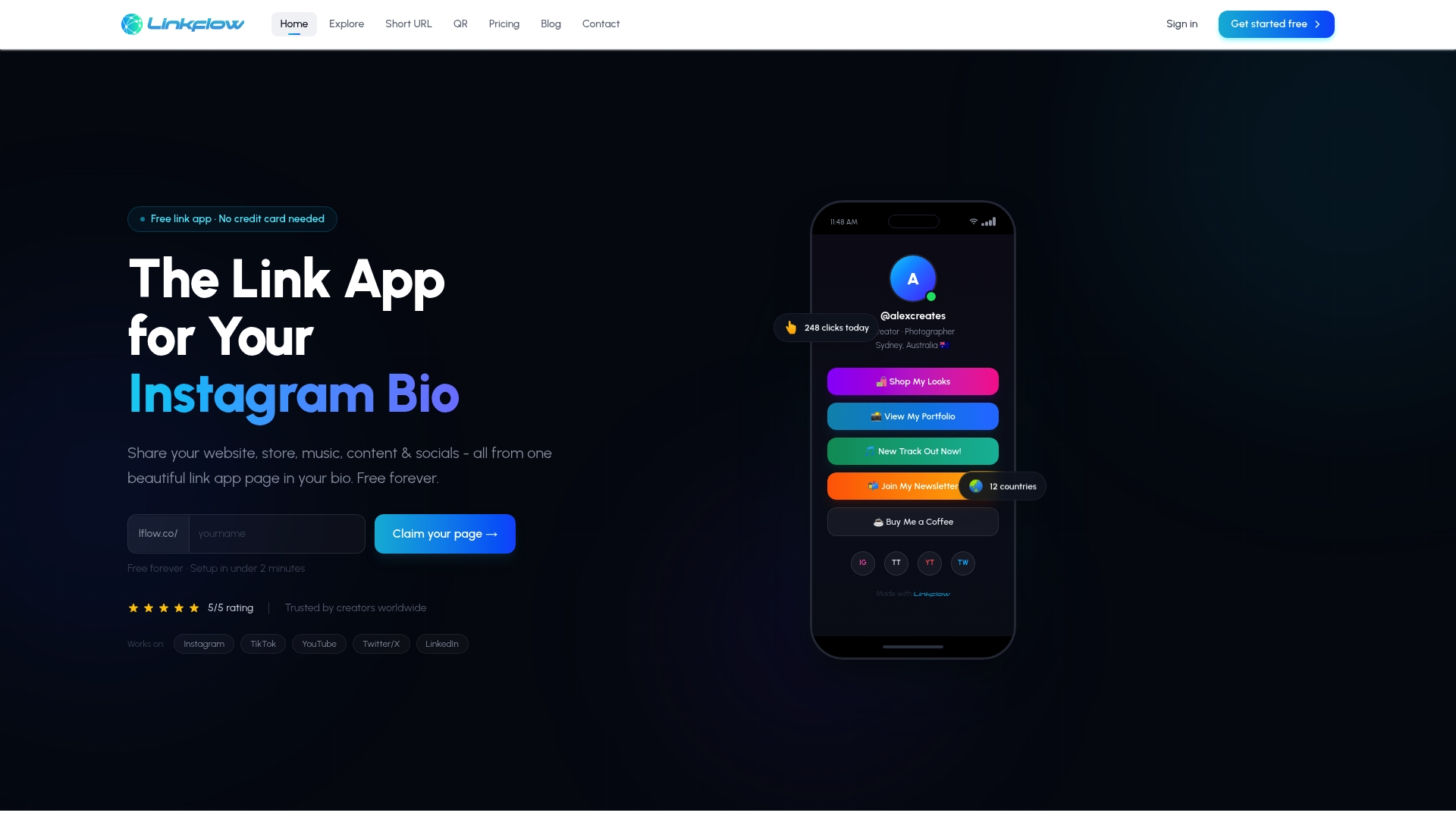
Lflow gives social media managers and entrepreneurs a free, fully customizable link in bio page that consolidates every destination into one branded URL. Real-time analytics show exactly which links your audience clicks, turning your bio into a measurable part of your SMO feedback loop. Setup takes under two minutes, and the platform includes a free QR code generator for driving offline traffic to your optimized social profiles. For brands serious about improving their social media presence, Lflow removes the friction between optimization and results.
FAQ
What is the difference between SMO and SEO for social media?
SEO for social media, often called social SEO, refers specifically to keyword optimization within platform search bars. SMO is broader, covering profile setup, content formatting, engagement tactics, and link optimization across all social channels.
How often should you update your social media optimization?
SMO requires at minimum a monthly review of hashtags and posting times, with a full profile audit every quarter. Algorithm changes on platforms like TikTok and Instagram make continuous adjustment necessary.
Which platforms benefit most from social media optimization?
Instagram, TikTok, and LinkedIn benefit most because their algorithms actively surface content to non-followers based on keywords and engagement signals. Optimizing for these platforms produces the highest organic reach gains.
Does SMO replace paid social media advertising?
SMO builds organic reach over time, while paid advertising delivers immediate visibility. The two work best together. SMO reduces your cost per acquisition by improving organic performance, making paid budgets go further.
What is the first step to improving your social media presence through SMO?
Start with a full profile audit. Complete every metadata field, add keywords to your bio and name field, and verify that your link destination is current and tracked. This technical foundation makes every subsequent content effort more effective.