

Content creation success in 2026 is defined by sustainable habits, platform-native formats, and audience trust built before monetization. The creators who grow this year are not posting more. They are posting smarter, using data to refine what works, and blending AI efficiency with genuine human perspective. These content creator tips 2026 cover the full picture: from posting frequency and burnout prevention to monetization timing and link management. Every tip here is grounded in how platforms, audiences, and algorithms actually behave right now.
1. What is the best posting frequency for content creators in 2026?
Posting 3–5 intentional times per week beats daily posting for most creators. Daily output without a clear strategy leads to burnout and inconsistent quality. Consistency over volume is the rule that separates creators who last from those who quit within six months.
The format matters as much as the frequency. Short vertical videos under 30 seconds are the 2026 content standard across TikTok, Instagram Reels, and YouTube Shorts. That format is optimized for mobile viewing, which is where the majority of content consumption now happens.
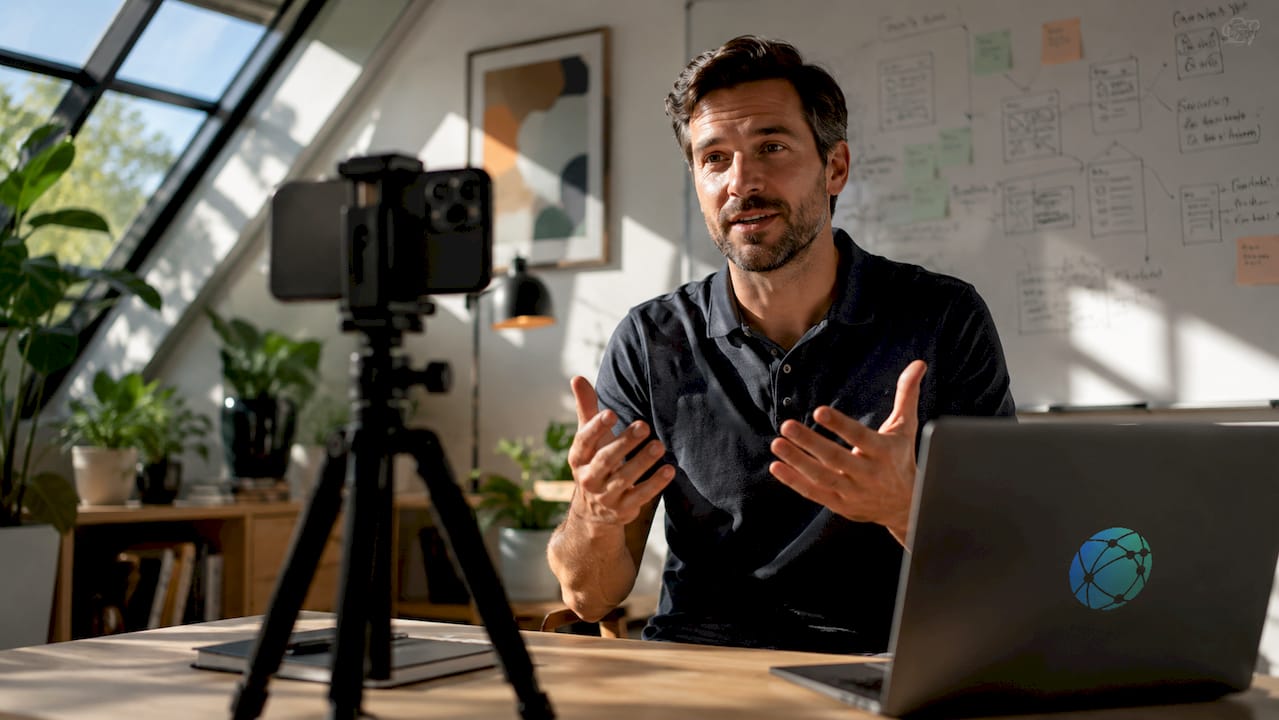
Pro Tip: Spend 15–20 minutes engaging with your audience before you post. Commenting and responding first signals activity to the algorithm and warms up your reach before new content goes live.
AI Overviews now appear on 16% of search queries, which means short, clear content that answers specific questions gets surfaced more often. Creators who write captions and titles as direct answers to real questions benefit from this shift.
2. How to use the 50 Video Rule to build real skills
The 50 Video Rule is a skill-building framework for new creators. The principle is simple: create 50 videos before you expect any meaningful audience growth. The goal is communication clarity, not viral reach.
Most new creators obsess over equipment and production quality too early. A better camera does not fix unclear messaging or weak hooks. The 50 Video Rule forces you to practice the fundamentals: pacing, framing, storytelling, and on-camera confidence.
By video 50, patterns emerge. You will know which topics feel natural, which formats hold your attention, and where your editing slows down. That self-knowledge is more valuable than any gear upgrade in your first three months.
3. How to use audience data to sharpen your content strategy
Treat your first 90 days as a data-gathering phase, not a growth phase. Test three content pillars and track which one generates the strongest audience signals. Growth follows clarity, and clarity comes from real feedback.
Most creators track views and follower counts. The metrics that actually predict growth are different:
- Saves show that your content has lasting value worth returning to
- Shares indicate your audience trusts you enough to put their name on your content
- Comments reveal emotional resonance and conversation-starting power
- Link clicks measure how well your content drives action beyond the platform
Pro Tip: Build a simple spreadsheet tracking saves and shares per post alongside your topic and format. After 20 posts, patterns become obvious. Double down on what generates saves.
The best practices for content creators in 2026 treat every post as a test. When a format or topic outperforms, turn it into a repeatable template. Audiences reward consistency in format even when the specific topic changes.
4. How to balance AI tools with authentic human storytelling
Audiences prioritize empathy and original perspective over templated AI content. AI can generate ideas, draft outlines, and suggest posting times, but it cannot replicate your specific experience or point of view. That gap is your competitive advantage.
Using AI to increase efficiency while keeping your human voice intact is the biggest success factor in 2026 content creation. Here is how to do it without losing what makes your content worth watching:
- Use AI for ideation: generate 20 topic ideas, then pick the three that only you can speak to with authority
- Use AI for structure: let it draft a script outline, then rewrite every line in your own voice
- Use AI for discovery: optimize titles and tags with keyword tools, but write the actual hook yourself
- Avoid AI for emotional moments: personal stories, opinions, and audience responses must come from you
The AI and social media strategy that works in 2026 treats AI as a research assistant, not a ghostwriter. Creators who hand their entire voice to AI produce content that performs adequately but never builds a loyal community.
5. What are the most effective monetization strategies for creators?
Monetization fails when creators rush it. Building engagement and trust first is the prerequisite, not the optional step. An audience that trusts you converts. An audience that barely knows you does not.
Once trust is established, these income streams work in sequence:
- Affiliate marketing pays commissions of 5–30% per sale and requires zero followers to start. Pick products you already use and recommend them with specific context, not generic praise.
- Brand deals become the largest income source for established creators. Brands pay for access to your audience's trust, so the stronger your engagement rate, the higher your rate.
- Digital products like templates, presets, or guides generate passive income and require no inventory. They work best once you have a clear niche and a proven audience.
- Email lists are owned assets that convert better than social platforms. Balancing rented social platforms with owned assets like email lists gives you conversion pathways that no algorithm change can take away.
The creators who earn consistently are not the ones with the most followers. They are the ones with the most trust and the clearest path from content to conversion.
6. How to prevent burnout with a smarter content workflow
Batching content creation is 3–4 times more efficient than creating one post at a time. Batching means filming five videos in one session, writing a week of captions in one sitting, and scheduling everything before the week starts. The mental cost of switching between creation and distribution every day adds up fast.
A content calendar planned 2–4 weeks ahead removes daily decision fatigue. You stop asking "what should I post today?" and start executing a plan you already made when you were thinking clearly.
Pro Tip: Pick one platform as your primary distribution channel and repurpose from there. A single TikTok video can become an Instagram Reel, a YouTube Short, and a LinkedIn post with minimal extra effort.
Spreading across too many platforms too early is one of the most common mistakes new creators make. Managing your presence across platforms works better when you have a central hub that connects all your channels rather than managing each one in isolation.
| Workflow approach | Time cost | Burnout risk |
|---|---|---|
| Daily single-post creation | High | High |
| Weekly batching (5–7 assets) | Medium | Low |
| Bi-weekly batching with scheduling | Low | Very low |
Scheduling tools let you maintain a consistent posting rhythm without being online every day. Consistency in publishing frequency matters more to algorithms than the specific day or time you post.
Key Takeaways
Sustainable content creation in 2026 requires consistent posting, data-driven iteration, and trust built before monetization.
| Point | Details |
|---|---|
| Post 3–5 times per week | Consistent intentional posts outperform daily volume and reduce burnout risk. |
| Use the 50 Video Rule | Build communication skills across 50 videos before expecting audience growth. |
| Track saves and shares | These metrics predict growth better than views or follower counts. |
| Monetize after trust | Affiliate commissions of 5–30% and brand deals require an engaged audience first. |
| Batch your content | Creating in sessions is 3–4 times more efficient than daily single-post creation. |
What I have learned about growing as a creator in 2026
The advice that gets repeated most often in creator circles is "be consistent." That is true, but incomplete. Consistency without feedback is just noise. The creators I have watched grow fastest in 2026 are the ones who treat every post as a question and every metric as an answer.
The hardest part of early content creation is not the work. It is the patience. Growth is rarely linear. A post you spent three hours on might get 200 views while a casual 60-second clip gets 20,000. That randomness is not a signal to chase virality. It is a signal to keep testing.
AI tools are genuinely useful, and I would not tell anyone to avoid them. But I have seen creators hand their entire content process to AI and end up with polished, lifeless output that their audience stops engaging with. The tool should make you faster, not replace what makes you worth following.
The one thing I keep coming back to: build a system you can run on a bad week. If your content process only works when you are motivated and energized, it will break. Batch, schedule, and protect your creative energy like it is a limited resource. Because it is.
— Axion
How Lflow helps creators manage their presence in 2026
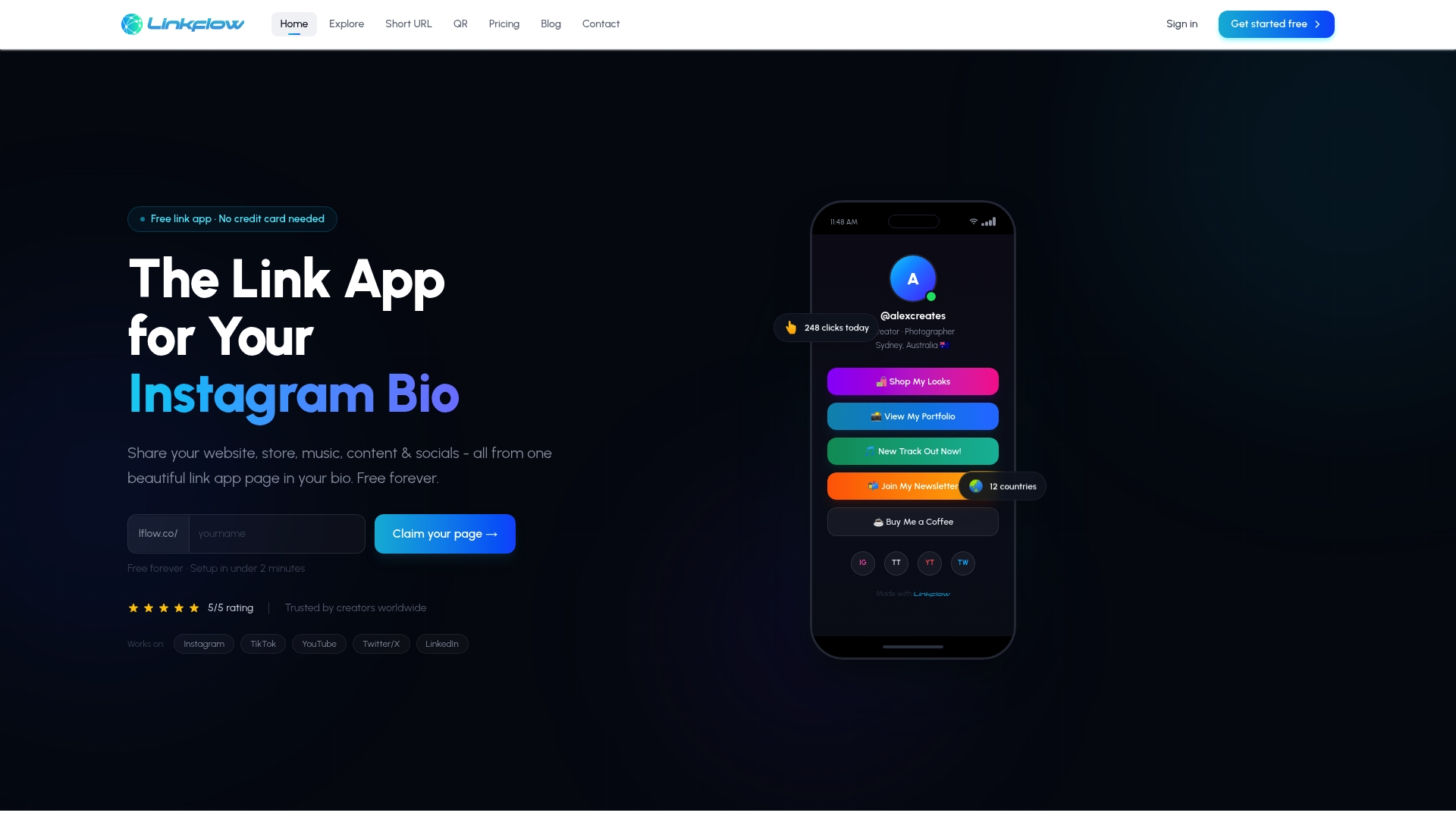
Every content creator tip in this article points toward one underlying need: a clear, direct path from your content to your audience's next action. Lflow gives you that path. With a free link in bio page that consolidates all your links into one branded URL, you stop losing conversions to a cluttered profile. Setup takes under two minutes, and you get real-time analytics, a free QR code for offline promotion, and full customization across themes, fonts, and colors. Whether you are on Instagram, TikTok, YouTube, or LinkedIn, Lflow keeps your multi-link management clean and your audience moving in the right direction.
FAQ
How often should content creators post in 2026?
Posting 3–5 times per week is the recommended frequency for most creators. Daily posting without a clear strategy leads to burnout and lower content quality.
What metrics matter most for growing a content channel?
Saves and shares are stronger growth indicators than views or follower counts. They show that your audience finds your content valuable enough to return to or recommend.
When should a content creator start monetizing?
Monetization works best after you have built genuine audience trust and engagement. Rushing monetization before that trust exists produces low conversion rates regardless of follower count.
What is the 50 Video Rule for new creators?
The 50 Video Rule means creating 50 videos before expecting audience growth. The goal is to build communication clarity and on-camera confidence, not to go viral.
How does AI fit into a content creation strategy in 2026?
AI works best for ideation, structure, and keyword optimization. Audiences respond to empathy and original perspective, so your personal voice and stories must stay central to your content.