

Profile monetization is the process of converting your online audience into income through in-app features, brand collaborations, and self-promotion. The industry term for this practice is "social media monetization," and the two phrases describe the same core activity: turning follower attention into revenue. Creators on Instagram, TikTok, YouTube, X, and LinkedIn all use some combination of these three paths. What separates those who earn consistently from those who don't is rarely follower count. It comes down to audience trust, content quality, and knowing which income stream to activate first.
What are the main profile monetization strategies available today?
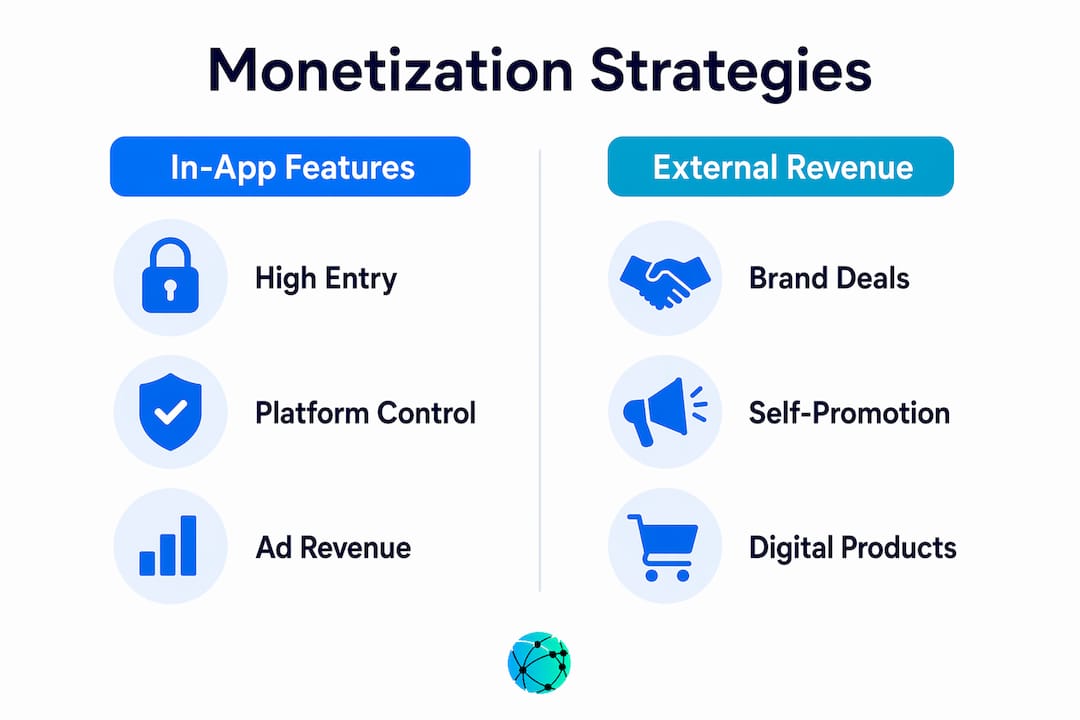
Profile monetization methods fall into three categories: in-app features, brand collaborations, and self-promotion. Each has different entry requirements and earning potential.
In-app features are built directly into platforms. They include ad revenue sharing, fan subscriptions, digital gifts, and tipping tools. These require meeting platform eligibility thresholds before any payout begins.

Brand collaborations cover sponsored posts, affiliate marketing, and user-generated content (UGC) contracts. Nano-influencers with 1,000–10,000 followers can earn $10–$100 per sponsored post, and affiliate commissions typically range from 3% to 8% of each sale. That range means a creator with a small but loyal audience can generate real income without waiting to hit 100,000 followers.
Self-promotion includes selling digital products, coaching, consulting, and courses directly to your audience. Consulting engagements can scale to five-figure months for niche experts with 8,000–15,000 followers. This is the fastest path to meaningful revenue for creators who have genuine expertise.
Pro Tip: Start with affiliate marketing before pitching brands. It builds a track record of converting your audience, which makes future sponsorship negotiations much easier.
Here is a quick comparison of how the three categories differ in practice:
| Strategy type | Entry barrier | Earning potential | Best for |
|---|---|---|---|
| In-app features | High (platform thresholds) | Variable, platform-dependent | Large, active audiences |
| Brand collaborations | Low to medium | $10 to five figures per deal | Niche and mid-size creators |
| Self-promotion | Low | Uncapped | Experts and educators |
The self-promotion category is the most underused. Creators often wait for brand deals or platform payouts when they could be selling a $97 workshop to 50 followers this week.
How do platform-native monetization programs work?
Platform-native programs pay creators directly, but they come with strict eligibility rules. Meeting those rules takes time and consistent output.
Common requirements across major platforms include:
- A minimum follower or subscriber count (often 1,000 or more)
- A minimum impression or view threshold over a set period
- Original content only, with no reposted or aggregated material
- Engagement from verified or paying subscribers, not just passive viewers
Facebook's content monetization shifted heavily toward Reels, which made up 60% of total payouts in 2025. That shift shows how quickly platform priorities change. A creator who built their payout strategy around long-form video had to adapt fast.
X (formerly Twitter) runs an ad revenue sharing program that requires 5 million impressions over three months. X subscription pricing runs $3–$10 per month. X's payout cuts to aggregators redistributed rewards to original content creators, which rewards substantive posts over reposts.
The numbered sequence below shows how most platform programs work:
- Apply once you meet follower and impression minimums.
- Connect a payment account (PayPal, bank transfer, or local equivalent).
- Publish original content consistently to maintain eligibility.
- Receive payouts monthly or quarterly, depending on the platform.
- Monitor eligibility status, since algorithm changes can affect payout rates without warning.
The core limitation of platform-native programs is volatility. Platform payouts should be treated as a bonus, not a primary income source. Creators who depend on them alone expose themselves to sudden income drops when platforms adjust their algorithms or payout formulas.
Why audience trust matters more than follower count
A monetizable audience is defined by engagement, trust, and purchasing power, not raw size. 5,000 engaged followers often generate more revenue than 500,000 casual ones. That gap exists because trust converts. Casual followers scroll past; engaged followers buy.
Chasing vanity metrics is the most common mistake new creators make. A creator with 200,000 followers and 0.3% engagement will lose a brand deal to a creator with 12,000 followers and 8% engagement every time. Brands measure return on investment, not profile aesthetics.
"A 10,000-person engaged technical niche audience is more profitable than 1,000,000 broad followers. Brands prioritize engagement and alignment for sponsorships and consulting contracts." Social Media Monetization Insights
Building trust requires a specific content approach. The behaviors that grow a monetizable audience include:
- Publishing original content that solves real problems in your niche
- Responding to comments and direct messages consistently
- Sharing your genuine perspective, not just curated reposts
- Being transparent about paid partnerships and affiliate links
- Staying consistent in topic focus so followers know exactly what they get from you
Optimizing your profile is the foundation before any of these behaviors pay off. A scattered, unclear profile loses potential followers before they ever see your content.
What practical steps should creators take to start earning?
Sequencing matters more than speed. Layering monetization streams in the right order maximizes earning potential and avoids burning out your audience with premature sales pitches.
Follow this sequence:
- Build engagement first. Post original, niche-specific content for 60–90 days before introducing any monetization. Your audience needs to trust you before they buy from you.
- Add affiliate links second. Affiliate marketing has no follower minimum. Place links in your bio, posts, and stories. Track which products your audience actually clicks and buys.
- Introduce a digital product or service. Once you know what your audience needs, create a low-cost entry product: a guide, a template, or a one-hour consulting call.
- Pursue sponsorships at scale. With 10,000 or more engaged followers and a track record of conversions, you can approach brands with real data. That data is your negotiating tool.
- Build an email list in parallel. Owned channels protect creators from platform-driven income volatility. An email list gives you direct access to your audience regardless of algorithm changes.
Pro Tip: When negotiating brand deals, lead with your engagement rate and conversion history, not your follower count. A 6% engagement rate on 15,000 followers closes deals that 200,000 passive followers cannot.
Learning how to land freelance social media marketing gigs can also accelerate income for creators who want to monetize their skills before their audience reaches scale.
How does profile monetization differ by platform and niche?
Not every platform monetizes the same way, and not every niche earns at the same rate. Understanding these differences helps creators prioritize where to invest their time.
Platform-specific differences include:
- Instagram and TikTok favor short video and visual content. Brand deals and affiliate links perform best here.
- YouTube rewards long-form video through ad revenue sharing, which requires 1,000 subscribers and 4,000 watch hours.
- LinkedIn is the strongest platform for B2B consulting and service-based monetization. Follower counts matter less than professional credibility.
- X rewards high-volume original text content through its ad revenue program, but payout rates vary significantly by audience geography.
Niche also determines earning ceiling. A multi-platform strategy spreads risk and multiplies reach, but niche focus on each platform keeps engagement high. Technical and professional niches (finance, software, legal, health) consistently outperform entertainment niches in sponsorship rates because their audiences have higher purchasing power.
Content format shapes monetization too. Video generates the highest ad revenue share. Text-based content builds authority fastest. Images drive product sales most directly. Creators who mix formats across platforms capture all three income behaviors from their audience.
For creators managing multiple links across platforms, optimizing a multi-link strategy keeps traffic organized and measurable, which directly improves conversion rates.
Key Takeaways
Profile monetization succeeds when creators build audience trust first, sequence income streams deliberately, and protect revenue with owned channels like email lists.
| Point | Details |
|---|---|
| Three core strategies | In-app features, brand collaborations, and self-promotion each serve different audience sizes and goals. |
| Trust beats follower count | 5,000 engaged followers consistently outperform 500,000 passive ones for revenue generation. |
| Sequence income streams | Start with affiliate links, add digital products, then pursue sponsorships once engagement is proven. |
| Platform payouts are volatile | Treat platform revenue as a bonus and build owned channels to protect income stability. |
| Niche audiences earn more | Technical and professional niches deliver higher sponsorship rates and consulting fees than broad audiences. |
What I've learned from watching creators monetize (and fail to)
The pattern I see most often is creators who rush to monetize before they've earned the right to sell. They hit 5,000 followers, slap affiliate links on every post, and wonder why conversions are flat. The audience hasn't been given a reason to trust their recommendations yet.
The creators who build real income do the opposite. They spend months being genuinely useful. They answer questions, share hard-won knowledge, and treat their audience like people they actually want to help. By the time they introduce a product or a partnership, the sale feels obvious to their followers.
Platform payouts are a trap for creators who treat them as a goal. The platforms change the rules constantly. I've watched creators lose 40% of their monthly income overnight because an algorithm update changed their impression counts. The ones who survived had email lists, consulting clients, and digital products. The platform payout was a nice bonus, not the business.
The other mistake is ignoring niche depth. A creator with social media management consultancy skills and 8,000 focused followers in B2B software can earn more per month than a lifestyle creator with 300,000 followers. Specificity is a competitive advantage, not a limitation.
Build the audience right. Sequence the income streams. Own your channels. The revenue follows.
— Axion
How Lflow helps creators turn profile traffic into income
Creators who understand profile monetization still need the right tools to act on it. Every follower who lands on your profile is a potential customer, subscriber, or client. Losing them because your bio only holds one link is a real cost.
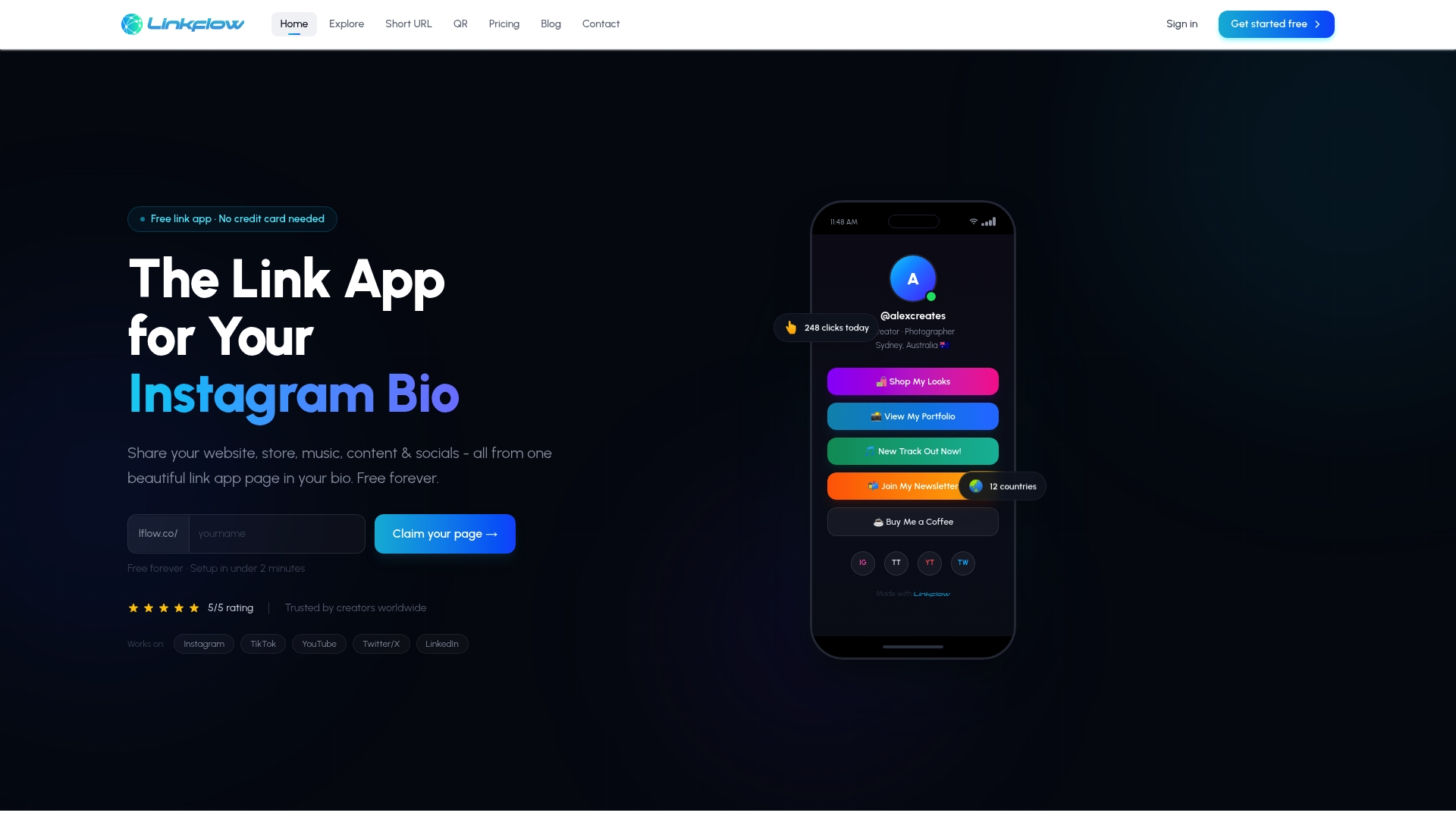
Lflow gives creators a free link in bio page that consolidates unlimited links into one branded URL. You can connect your store, affiliate links, newsletter signup, YouTube channel, and consulting page in one place. Setup takes under two minutes. Lflow also provides real-time analytics so you can see exactly which links your audience clicks, and free QR codes for offline promotion. When your profile works as a conversion hub, every monetization strategy you run performs better.
FAQ
What is profile monetization in simple terms?
Profile monetization is the process of earning income from your social media presence through methods like affiliate links, brand deals, subscriptions, and digital product sales.
How many followers do you need to start monetizing a profile?
Nano-influencers with as few as 1,000 followers can earn through affiliate marketing and UGC contracts. Platform-native ad programs typically require higher thresholds, often 1,000 or more followers plus minimum impression counts.
Can you profit from your profile without brand deals?
Yes. Selling digital products, consulting services, or courses directly to your audience generates income independent of brand partnerships. Consulting can reach $500–$2,000 per month even for creators with smaller audiences.
Why does engagement matter more than follower count for monetization?
Brands and platforms both measure return on investment. A highly engaged niche audience converts at higher rates, making it more valuable for sponsorships and direct sales than a large passive following.
What is the biggest risk in digital profile monetization?
Relying solely on platform payouts is the primary risk. Algorithm changes can cut income overnight. Building owned channels like email lists protects creators from that volatility.