

Pick one niche, one platform, and start an email list before you publish a single post. That's the whole trick. Everything else in audience development, from content calendars to influencer swaps, only works once those three decisions are locked in, because they stop you from scattering effort across five platforms and a vague topic that no one can describe to a friend.
Here's what that looks like in your first hour, first day, and first week:
- First hour: Write one sentence describing who you help and what result you deliver. If you can't say it in one breath, narrow it.
- First day: Choose your primary platform based on where your specific audience already spends time, not where you personally enjoy posting. Set up a free email capture page.
- First week: Publish three pieces of content on your chosen platform using the same format each time, and reply to every single comment.
You won't see much movement in week one, and that's expected. Here's the realistic arc: at 30 days, you should have a consistent posting rhythm and a small but real email list (even 50 subscribers beats 2,000 passive followers). By the second month, one piece of content should have outperformed the rest, indicating what to focus on more. At about three months, you should have established a repeatable weekly system that doesn't require reinventing your approach frequently. Consistent publishing paired with an email list from day one is one of the more reliable predictors of steady growth over that window, according to Break the Ordinary's research on building an audience from zero.
Table of Contents
- Step 1: Choose Your Topic, Medium, and a Repeatable Angle
- Step 2: Define and Profile Your Target Audience
- Step 3: Set Clear Growth Goals and KPIs
- Step 4: Build a Content Plan and Publishing Cadence
- Step 5: Distribute and Repurpose Across Channels
- Step 6: Partner With Creators, Collaborators, and Communities
- Step 7: Capture and Grow Your Owned Channels
- Step 8: Measure, Iterate, and Retain What You've Built
- How Link Hubs and QR Landing Pages Speed Audience Capture
- Sample 90-Day Plan: Concrete Weekly Milestones
- Common Traps Creators and Small Businesses Fall Into
- A Simple Way to Turn Social Traffic Into Subscribers
- Key Takeaways: The Checklist to Execute Now
- Sources
Step 1: Choose Your Topic, Medium, and a Repeatable Angle
Most people stall here because they try to answer "what should I post about" before answering three smaller questions: who you help, what outcome you deliver, and what format you can actually sustain for 90 days without dreading it.
Ask yourself these in order:
Who you help. Not "everyone interested in fitness." Try "new parents who lost their workout routine and have 20 minutes a day." Specificity here isn't a limitation, it's what makes people feel like you're speaking directly to them.
What outcome you deliver. People don't follow accounts, they follow results. Define the transformation your content promises, even loosely.
What format you can sustain. Video takes longer to produce but often builds faster trust. Writing is faster to publish but slower to find its audience. Pick based on your actual weekly bandwidth, not what's trending.
Once those three are set, define a repeatable angle. This is a format you can reuse endlessly without it feeling stale: a weekly "one mistake I see" series, a recurring "before and after" case study, or a "question from a follower" response format. Copyblogger's guidance on building an audience from scratch makes the case plainly: committing to one topic, one medium, and a repeatable angle before you publish is what builds both your skill and the algorithmic signals that reward consistency.
Pro Tip: If you're unsure which platform to start on, look at where your three closest competitors get the most comments, not the most followers. Comments show active audience interest; follower counts can be inflated by bots or one-off viral moments.
Step 2: Define and Profile Your Target Audience
A vague audience produces vague content, and vague content doesn't spread. Build a one-page profile before you write anything else.
Your profile needs four things: who they are, the problem keeping them up at night, the result they want, and the specific signals that tell you they're your person (language they use, accounts they follow, questions they ask publicly).
Fast ways to fill in the gaps:
- Search your topic on Reddit or niche forums and read the exact phrasing people use to describe their problem.
- Scan the comment sections of two or three larger accounts in your space. What do people ask for that isn't being answered?
- Use platform search bars (Instagram, TikTok, YouTube) to see autocomplete suggestions. Those are real, high-volume queries.
- Run a one-question poll or DM five people directly and ask what they're struggling with right now.
That last step matters more than people think. A five-person DM conversation will tell you more about your real audience than a week of guessing. If three out of five give you a similar answer, you've validated a content direction worth pursuing.
Step 3: Set Clear Growth Goals and KPIs
Growth without measurement is just activity. You need numbers you check weekly and numbers you check monthly, and they're not the same set.
Track four categories: discovery (how people find you), engagement (whether they interact), capture (whether they join your email list or community), and retention (whether they come back). Skipping the capture and retention metrics is the single most common reason creators feel like they're "growing" on paper while their actual business barely moves.
| KPI Category | What to Track | Early-Stage Target (90 Days) |
|---|---|---|
| Discovery | Reach, impressions, profile visits | Steady week-over-week increase, not spikes |
| Engagement | Comments, shares, saves | 3 to 5% engagement rate on primary platform |
| Capture | Email signups, community joins | A modest number of subscribers appropriate to your niche size |
| Retention | Return visits, open rates, repeat comments | Healthy email open rates and ongoing engagement from audience members |
Check engagement and discovery weekly, since these tell you what content is resonating right now. Check capture and retention monthly, because these move slower and reward patience over reaction. Content Marketing Institute's guide to audience development frames this as a staged process, moving people from discovery to repeat visitor to subscriber, with email subscriptions serving as the clearest indicator of long-term audience health.
Step 4: Build a Content Plan and Publishing Cadence
A content calendar isn't about filling boxes. It's about removing the daily decision of "what do I post today" so you can focus on quality instead of scrambling.
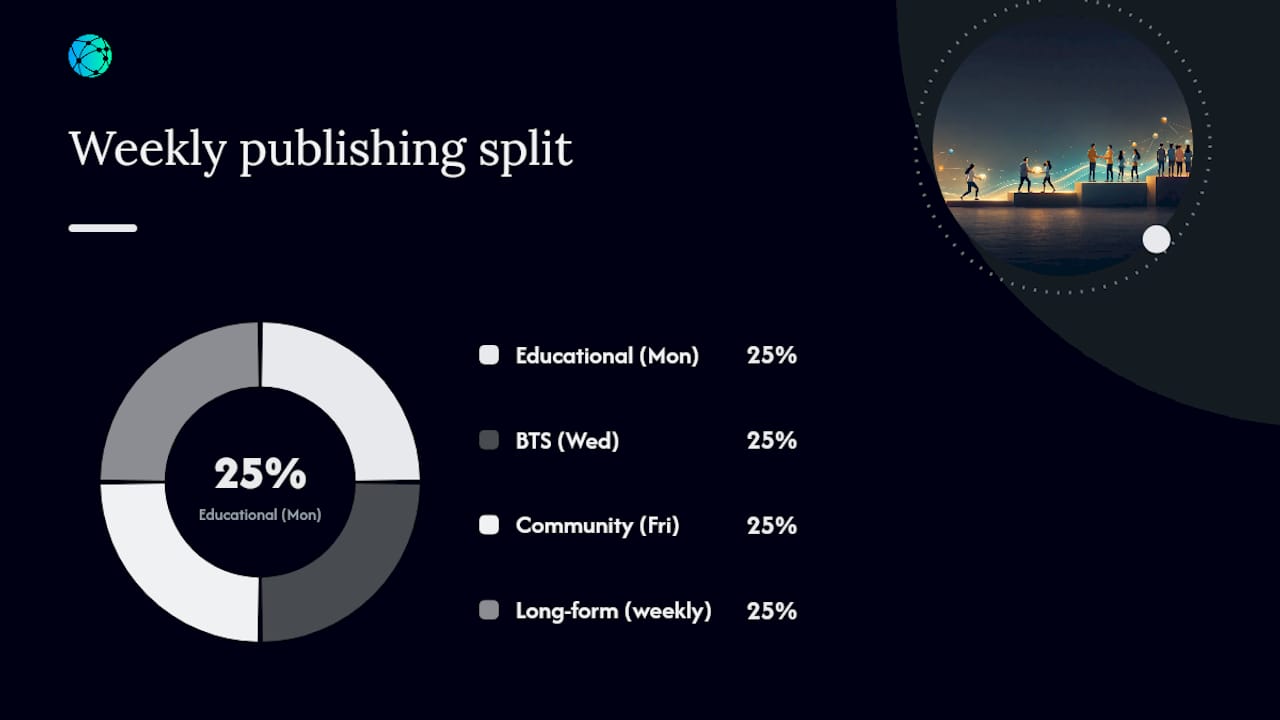
Here's a simple weekly cadence that works for most solo creators and small teams:
- Monday: Educational post (teach one specific thing)
- Wednesday: Behind-the-scenes or process post (build trust and relatability)
- Friday: Community or engagement post (question, poll, or user-generated content)
- One weekly long-form piece: blog post, video, or newsletter that anchors everything else
Batch your production instead of creating daily. Set aside one afternoon a week (or one day a month for teams) to record, write, or design multiple pieces at once. Batching is a genuine defense against burnout and it protects the consistent publishing cadence that platforms tend to reward, according to ClickUp's content batching guide.
Every post needs a CTA, and rotating a few templates keeps it from feeling repetitive:
| CTA Template | Best Use Case |
|---|---|
| "Save this for later" | Educational or list-style posts |
| "Full breakdown in my newsletter, link in bio" | Deep-dive or complex topics |
| "Tell me your experience below" | Community and engagement posts |
| "Get the free template, link in bio" | Lead magnet or tool-driven posts |
Placing a consistent, well-labeled link in your bio matters more than it seems. Reviewing types of social links to include for maximum reach will show you which link placements actually get clicked versus which just sit there unused.
Step 5: Distribute and Repurpose Across Channels
One piece of long-form content should never live on one platform. Treat every newsletter, video, or blog post as raw material for five or six smaller pieces.
Here's a practical repurposing sequence:
- Record or write one long-form piece (a 10-minute video, a 1,200-word article, a podcast episode).
- Cut three to five short clips or pull quotes for short-form video and image posts.
- Write two or three social captions highlighting different angles from the same piece.
- Summarize the core idea in your next newsletter with a link back to the full piece.
- Turn one insight into a discussion prompt for your community or comments section.
Marketing efforts that run across three or more channels (email, social, and web) tend to retain audiences better and perform better overall than single-channel pushes, per Mailchimp's research on audience growth. That's the entire logic behind repurposing: you're not creating more work, you're extracting more value from work you already did.
Short-form video remains one of the strongest discovery tools available, particularly for reaching people who've never heard of you, and it pairs naturally with a repeatable format you can produce quickly. Platform-specific notes matter too: hook viewers in the first two seconds on TikTok and Reels, front-load value in the first line of a LinkedIn post, and post when your specific audience is actually online, not when a generic "best time to post" article tells you to.
Step 6: Partner With Creators, Collaborators, and Communities
Growing alone takes longer than growing alongside people who already have an audience that overlaps with yours. Partnerships shortcut discovery, but only when you pick the right ones.
Look for three things before reaching out: audience overlap (their followers would genuinely want your content too), incentive alignment (the swap benefits both of you roughly equally), and format fit (a podcast host probably won't want to co-write a blog post with you).
A simple pitch structure works better than a long, formal proposal:
- Reference something specific from their content that you genuinely enjoyed.
- State exactly what you're proposing (a guest post swap, a joint live session, a shoutout exchange).
- Make it easy to say yes by proposing a specific format and timeframe.
- Offer to go first if you're the smaller account.
Measuring whether a partnership actually worked isn't about vibes. Check your referral traffic, new email signups tagged to that specific collaboration, and follower growth in the 48 hours after it goes live. Community-led growth and partnership swaps remain some of the highest-leverage tactics for building stable, long-term momentum, based on beehiiv's breakdown of audience growth strategies. If you need help sourcing serious collaboration partners in a B2B context, outreach campaign frameworks built for LinkedIn offer a solid starting structure.
Step 7: Capture and Grow Your Owned Channels
Social platforms are rented land. Algorithms change, accounts get suspended, and reach fluctuates for reasons entirely outside your control. Your email list and community, on the other hand, belong to you.
Place your signup CTA in the places people are already looking: your bio link, the first comment on high-performing posts, and a simple landing page rather than a generic homepage.
The funnel that actually works follows a predictable path: someone discovers you through a post, engages with a comment or like, subscribes through a low-friction offer, and eventually returns because your welcome sequence delivered something genuinely useful.
Low-friction lead magnets convert better than complicated ones:
- A short checklist or template related to your core content pillar.
- A single "here's exactly how I did X" case study.
- Early access to a resource before you announce it publicly.
Your welcome sequence doesn't need five emails right away. Start with two: one that delivers the promised resource immediately, and one that shares your story and sets expectations for what they'll get from staying subscribed.
Step 8: Measure, Iterate, and Retain What You've Built
New followers are easy to lose if you're not actively working to keep them. Building a weekly review habit turns raw numbers into decisions instead of letting them pile up unread.
Every week, check three things: which post performed best and why, whether your email open rate held steady, and whether comment volume is trending up or down. Every month, run exactly one experiment. Not five. One hypothesis, tested cleanly, so you know what actually caused the result.
Retention tactics that consistently work:
- Send a genuine welcome message or email within 24 hours of someone subscribing.
- Create small rituals your community recognizes, like a recurring weekly prompt or a monthly recap.
- Publicly highlight engaged fans or commenters by name occasionally.
- Reply to comments quickly, especially in your first 100 posts, since early engagement tends to signal active conversation to platform algorithms.
How Link Hubs and QR Landing Pages Speed Audience Capture
A link-in-bio hub solves a specific problem: platforms give you exactly one clickable link, but you have a newsletter, a shop, a podcast, and five social profiles you want people to find. A single branded link hub consolidates all of it into one destination.
Setting one up takes a handful of steps regardless of which tool you use:
| Step | What to Do |
|---|---|
| 1. Create your hub | Set up a branded page with your key destinations (email signup, shop, socials) |
| 2. Add tracking | Attach UTM parameters to each link so you know which one gets clicked |
| 3. Generate a QR code | Create a scannable code for offline promotion (events, packaging, business cards) |
| 4. Review analytics weekly | Check click-through rates per link and feed that data into your weekly dashboard |
UTMs and link-level analytics matter because they answer a question raw follower counts never will: which specific link, post, or platform is actually driving action. If your "shop" link gets clicked ten times more than your "newsletter" link, that tells you where your audience's intent actually sits.
On privacy, be deliberate about when you ask for an email versus a softer click. A first-time visitor from a cold TikTok video probably isn't ready to hand over their email yet, so a "check out my latest video" link works better there. A returning visitor who's engaged with three posts is a better candidate for a direct newsletter signup CTA.
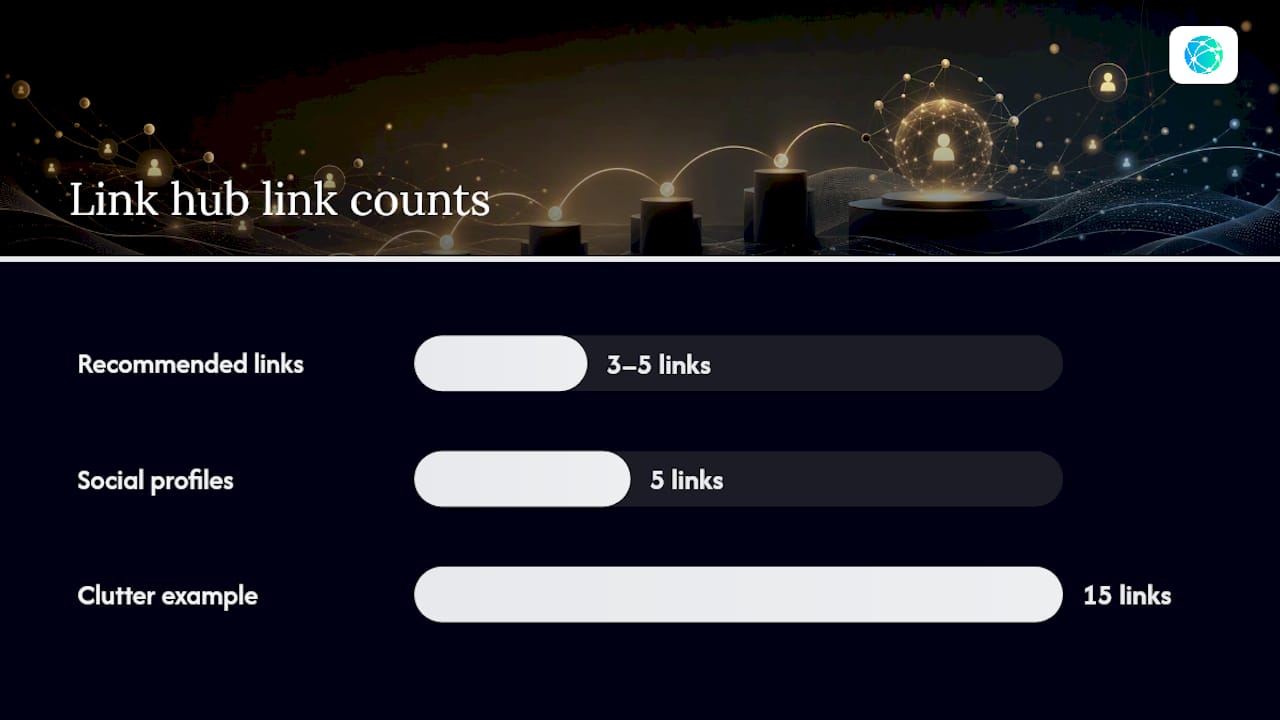
Pro Tip: Don't dump 15 links onto your hub page. Three to five well-labeled, high-intent links convert far better than a cluttered list that makes visitors hesitate.
Tools like Lflow exist specifically for this consolidation step, and pairing one with the engagement tracking guidance in this analytics breakdown gives you a full picture of what's working before you scale spending or effort in any one direction.
Sample 90-Day Plan: Concrete Weekly Milestones
Breaking 90 days into weekly focuses keeps the plan from feeling abstract. Here's a realistic structure:
- Week 1: Finalize topic, platform, and audience profile.
- Week 2: Set up email capture and publish your first three posts.
- Week 3: Establish your posting cadence and reply to every comment.
- Week 4: Review your first monthly KPIs; identify your best-performing post.
- Week 5: Start repurposing that top post into three additional formats.
- Week 6: Reach out to two potential collaboration partners.
- Week 7: Launch your first lead magnet or welcome sequence.
- Week 8: Run your first monthly experiment based on Week 4 data.
- Week 9: Execute one partnership or collaboration.
- Week 10: Review 60-day KPIs against your original targets.
- Week 11: Refine your content calendar based on three months of data.
- Week 12: Set new 90-day targets based on real, observed performance.
At 30 days, expect a working rhythm and a small subscriber base. At 60 days, expect at least one collaboration completed and clear data on your top-performing content type. At 90 days, expect a system you could hand to someone else and have them execute without you micromanaging every step. Keep each experiment small enough that you can tell exactly what caused a result. A 90-day window is a practical early testing period precisely because it's long enough to see real signal but short enough to stay motivated, a pacing point echoed in SkillsMatrixAcademy's guide to building an audience from scratch.
Common Traps Creators and Small Businesses Fall Into
The biggest mistake isn't lack of effort. It's spreading that effort across too many platforms before any single one has traction. Trying to maintain a serious presence on Instagram, TikTok, YouTube, and LinkedIn simultaneously, from a standing start, dilutes your energy so thin that none of them get enough attention to actually work.
The second trap is over-optimizing before you've published enough to know what you're optimizing. Obsessing over the "perfect" content calendar template or the ideal posting time before you've put out 20 real pieces of content is effort spent in the wrong place. You learn what works by publishing, not by planning indefinitely.
The third, and most costly, is ignoring capture entirely. Creators can rack up tens of thousands of followers on a platform and still have no way to reach those people directly if the platform changes its algorithm overnight. An email list of 200 real, opted-in subscribers is worth more than a follower count ten times that size, because you actually own the relationship.
The fix for all three is the same: shrink your experiment size. Pick one platform, run one test at a time, and build your owned channel from week one instead of treating it as a someday project. Progress in audience building rarely looks dramatic week to week. It looks like a slow, compounding curve that only becomes obvious in hindsight, which is exactly why the weekly and monthly measurement habits matter more than any single viral post ever will.
A Simple Way to Turn Social Traffic Into Subscribers
Everything in this plan eventually funnels into one moment: someone clicks a link in your bio. If that click lands on a cluttered profile page or a dead end, all the content strategy in the world won't convert it into a subscriber.
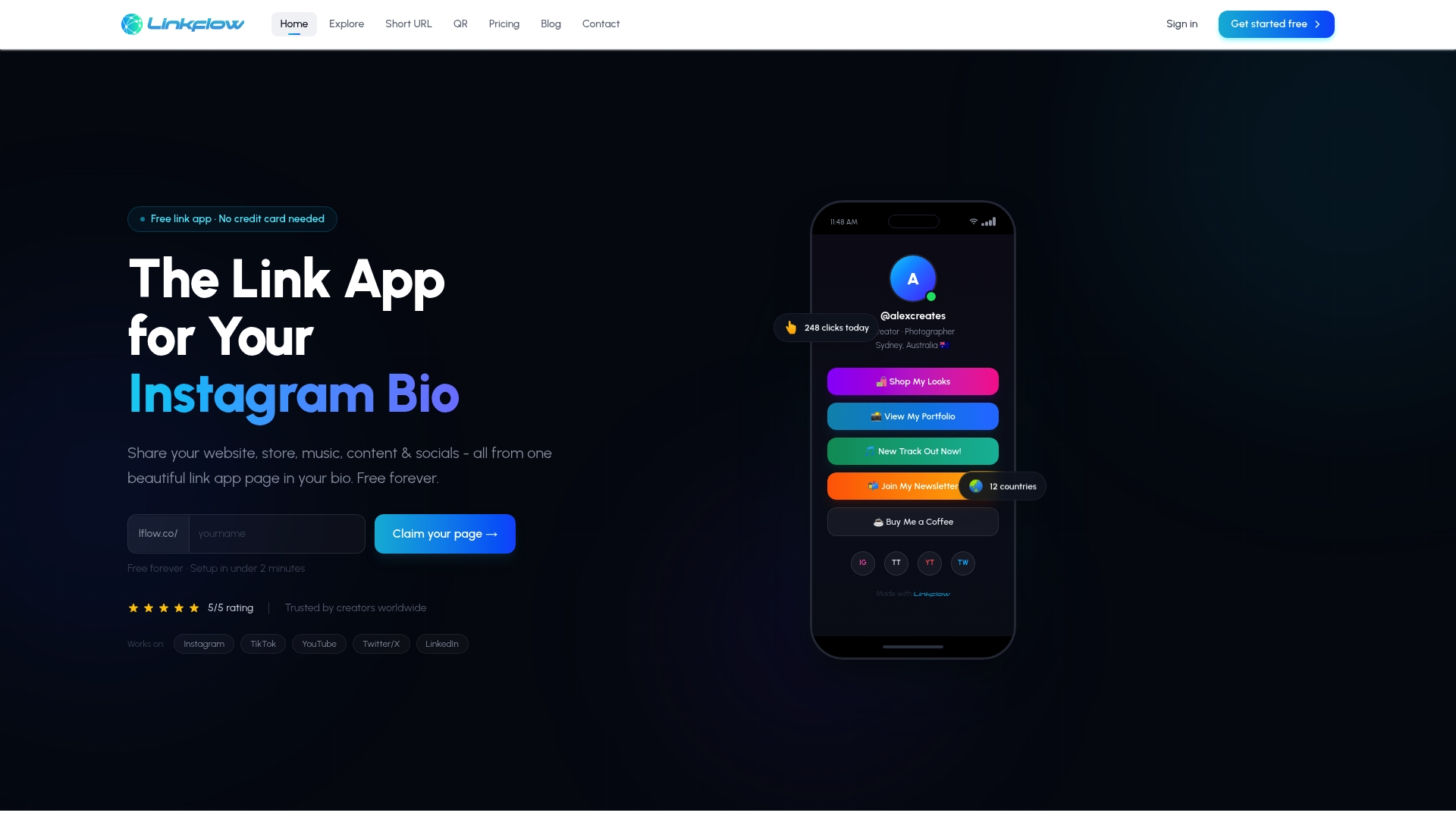
A link hub gives that click somewhere useful to go. Lflow lets you build a branded page in under two minutes, consolidating your newsletter signup, shop, socials, and latest content into one destination, without needing a developer or a design background. You get real-time analytics on which links actually get clicked, so your weekly review isn't guesswork, and free QR codes if you're promoting offline at events or on packaging. Creators running collaborations, product drops, or seasonal promotions can introduce custom domains and advanced analytics once they outgrow the free tier. If you're ready to stop losing bio traffic to a dead-end profile, set up your free link-in-bio page and see which link your audience actually clicks first.
Key Takeaways: The Checklist to Execute Now
Audience growth compounds when you pair a repeatable content system with an owned channel that survives algorithm changes.
| Point | Details |
|---|---|
| Start narrow, not broad | Pick one topic, one platform, and one repeatable content angle before publishing anything. |
| Capture emails from day one | Even a small list of 50 to 200 subscribers outperforms a large passive follower count. |
| Track four KPI categories | Watch discovery, engagement, capture, and retention weekly and monthly, not just follower counts. |
| Repurpose every long-form piece | Turn one asset into short clips, captions, and a newsletter summary to multiply reach without extra effort. |
| Use a link hub to route traffic | Lflow consolidates your bio links into one trackable page, showing which links your audience actually clicks. |
Sources
A few resources are worth bookmarking as templates for your own process rather than one-time reads.
- 7 ways to grow your audience | Mailchimp
- How to Build an Audience From Scratch In 2026 - Copyblogger
- A step-by-step guide to audience development | Content Marketing Institute
- Content batching guide | ClickUp
- Audience Growth Strategies: Best & Worst Approaches (2026) | beehiiv Blog
Start with whichever source matches the step you're currently stuck on, and treat each one as a checklist to adapt, not a script to copy line for line.