

Influencer marketing tactics are proven strategies brands use to build authentic creator partnerships that boost social media reach, engagement, and sales. The full list of influencer marketing tactics spans everything from dedicated landing pages and unique promo codes to micro-influencer seeding and always-on creator programs. 58% of consumers over 18 have purchased products based on influencer endorsements. That number signals that this channel is no longer experimental. US influencer spend is projected to reach $13.7B by 2027, with a 15.7% growth rate in 2026, making it one of the fastest-growing performance channels in digital marketing.
1. What are the most effective influencer marketing tactics in 2026?
The most effective influencer marketing tactics combine performance tracking with authentic creator relationships. One-off sponsored posts still exist, but the brands winning in 2026 treat influencer marketing as a full-funnel channel, not a single awareness play.

Dedicated landing pages
Every influencer campaign needs a destination built for that specific audience. A dedicated landing page tied to an influencer's unique URL lets you track traffic, measure conversions, and test messaging without polluting your main site analytics. Pair the page with UTM parameters and you get a clear picture of which creator drove which result.
Unique promo codes
Promo codes are one of the cleanest ways to attribute sales to a specific creator. Each influencer gets a code tied to their name or handle, which their audience uses at checkout. You see exactly how many conversions came from that partnership, and the creator gets a tangible metric to share with you.
Whitelisting ads
Whitelisting means running paid ads through a creator's account rather than your brand account. The ad appears to come from a trusted person the audience already follows, which consistently outperforms brand-run ads on the same platforms. This tactic works especially well on Instagram and TikTok, where native content from real accounts gets better placement and engagement.
Content repurposing
Creator content does not have to live only on the influencer's channel. Repurposing that content across your brand's email campaigns, paid social, and website multiplies the return on every piece you commission. UGC-focused campaigns now comprise 35% of active influencer activity, which reflects how much brands value creator-made assets beyond the original post.
Pro Tip: Build content usage rights into every creator contract from day one. Negotiating repurposing rights after the fact costs more and creates friction in the relationship.
2. How do micro- and nano-influencers fit into effective influencer marketing strategies?
Micro-influencers (typically 10,000–100,000 followers) and nano-influencers (under 10,000 followers) consistently outperform larger accounts on engagement. Their audiences treat their recommendations like advice from a trusted friend rather than a celebrity endorsement.
Audience authenticity outweighs follower count. Small but engaged creator audiences better mirror your actual buyers and drive stronger conversion impact than inflated follower lists. The cost advantage is real too. 80% of successful collaborations cost under $300, which means you can activate 10 micro-influencers for the price of one mid-tier creator.
Campaign types that work especially well with smaller influencers include:
- Product seeding: Send free products with no posting requirement. Organic recommendations from creators who genuinely like your product build stronger trust than scripted posts.
- Giveaways and contests: Effective for rapid audience growth and engagement spikes, though the quality of new followers varies.
- Affiliate programs: Give creators a commission link and let them earn on every sale they drive. This aligns their incentives directly with your conversion goals.
- Video-driven campaigns: Short-form video content from micro-influencers on TikTok and Instagram Reels generates high organic reach at a fraction of the cost of produced brand video.
Pro Tip: When vetting micro-influencers, check the comment section before the follower count. Real engagement shows up in specific, personal comments. Generic "great post!" replies are a red flag for bought engagement.
3. Why always-on influencer programs and long-term partnerships are key tactics for 2026
A single sponsored post is a transaction. A long-term creator partnership is a relationship, and audiences can tell the difference. Always-on creator programs with incentives like early product access and commissions drive ongoing content production and genuine community engagement.
26% of consumers distrust influencer marketing compared to 11% for advertising overall. That gap closes when creators talk about your brand consistently over months, not just once in a paid post. Repeated, authentic mentions build the kind of familiarity that drives purchase decisions.
Key elements of a strong always-on program:
- Ongoing commissions: Creators earn every time their audience converts, which motivates them to keep posting without you prompting them.
- Early product access: Giving creators products before launch makes them feel like insiders. That enthusiasm comes through in their content.
- Clear usage rights and contracts: Legal usage rights and clear contracts prevent disputes over repurposing content and protect both parties.
- Transparent disclosure: Require clear sponsorship disclosures on every post. Transparency reduces consumer distrust and keeps your brand compliant with FTC guidelines.
- Community touchpoints: Invite long-term creators to brand events, product development calls, or private community groups. These touchpoints deepen loyalty and produce more authentic content.
4. How to measure and optimize influencer marketing tactic performance
Measurement separates effective influencer marketing from budget waste. Marketers evaluate success via impressions (28%) and conversions (27%), with other KPIs including watch time and click-through rates. The right metric depends entirely on your campaign goal.
Aligning influencer marketing tactics to customer journey stages using the 4Cs framework (content strategy, creator portfolio, control level, and communication tone) improves campaign effectiveness. A brand awareness campaign at the top of the funnel needs reach and impression data. A conversion campaign at the bottom needs promo code redemptions and affiliate link clicks.
| Campaign goal | Best tactic | Primary KPI |
|---|---|---|
| Brand awareness | Sponsored posts, hashtag challenges | Impressions, reach |
| Engagement | Giveaways, contests | Comments, shares, saves |
| Conversions | Affiliate programs, promo codes | Sales, click-through rate |
| Content production | Product seeding, UGC campaigns | Content volume, usage rights |
Building a KPI tree that links business outcomes to individual posts helps you see which creators and tactics actually move the needle. Without that structure, you end up optimizing for vanity metrics that do not connect to revenue.
Pro Tip: Never rely on last-click attribution alone for influencer campaigns. Use UTM parameters, promo codes, affiliate links, and post-purchase surveys together to capture the full-funnel impact of each creator.
5. Best practices for successful influencer campaigns in 2026
The brands that consistently get strong results from influencer marketing follow a set of practices that most guides skip over. These are not obvious, but they make a measurable difference.
- Give creators creative control. Over-scripting influencer content reduces authenticity and ROI. Brief the creator on your goals and brand guidelines, then let them execute in their own voice. Their audience follows them for their style, not yours.
- Vet for audience quality, not size. Prioritizing follower count over audience authenticity wastes budget. Check audience demographics, engagement rate, and comment quality before signing any deal.
- Prioritize platform-native content. Brands that focus on creators who understand platform algorithms and create native content see higher engagement than brands that simply pay for reach. A creator who knows how TikTok's algorithm works is worth more than one with twice the followers.
- Repurpose and cross-promote. Content that performs well on one platform can be adapted for others. A strong Instagram Reel can become a YouTube Short, a website testimonial, or an email asset. Cross-promoting content across platforms extends the life and reach of every piece you commission.
- Run compliance checks before publishing. Brand safety issues from undisclosed sponsorships or misaligned creator content can damage your reputation fast. Build an approval step into every campaign workflow.
Key Takeaways
The most effective influencer marketing tactics in 2026 combine performance tracking, creator authenticity, and long-term partnerships to drive measurable results across the full marketing funnel.
| Point | Details |
|---|---|
| Performance tracking is non-negotiable | Use UTM parameters, promo codes, and affiliate links to measure full-funnel impact. |
| Micro-influencers outperform on engagement | Smaller, engaged audiences drive stronger conversions than inflated follower counts. |
| Long-term programs build trust | Always-on creator partnerships reduce consumer distrust and improve ROI over time. |
| Creative control improves results | Giving creators freedom produces more authentic content and higher engagement. |
| Align tactics to funnel stage | Match campaign types (awareness, engagement, conversion) to the right KPIs and creators. |
What I've learned after watching hundreds of influencer campaigns succeed and fail
The most common mistake I see marketers make is treating influencer marketing like a media buy. They pick a creator with a large audience, hand over a script, approve the post, and wait for sales. When results disappoint, they blame the channel instead of the approach.
The campaigns that consistently deliver results treat creators as collaborators, not ad placements. That means briefing them on the problem your product solves, not the exact words to say. It means building relationships over quarters, not weeks. And it means measuring the right things. A post that drives 50,000 impressions but zero conversions is not a success, regardless of how good it looks in a report.
The shift toward platform-native content creation is the most important trend I am watching in 2026. Brands that find creators who genuinely understand how their platform works are pulling ahead of brands that just buy reach. That is not a subtle difference. It shows up clearly in engagement rates, conversion data, and the quality of content you can repurpose.
My honest advice: start with three to five micro-influencers in your niche, give them real creative freedom, track every touchpoint, and build from what works. That approach beats a single mega-influencer deal almost every time.
— Axion
How Lflow supports your influencer marketing campaigns
Influencer campaigns generate traffic. Where that traffic lands determines whether it converts.
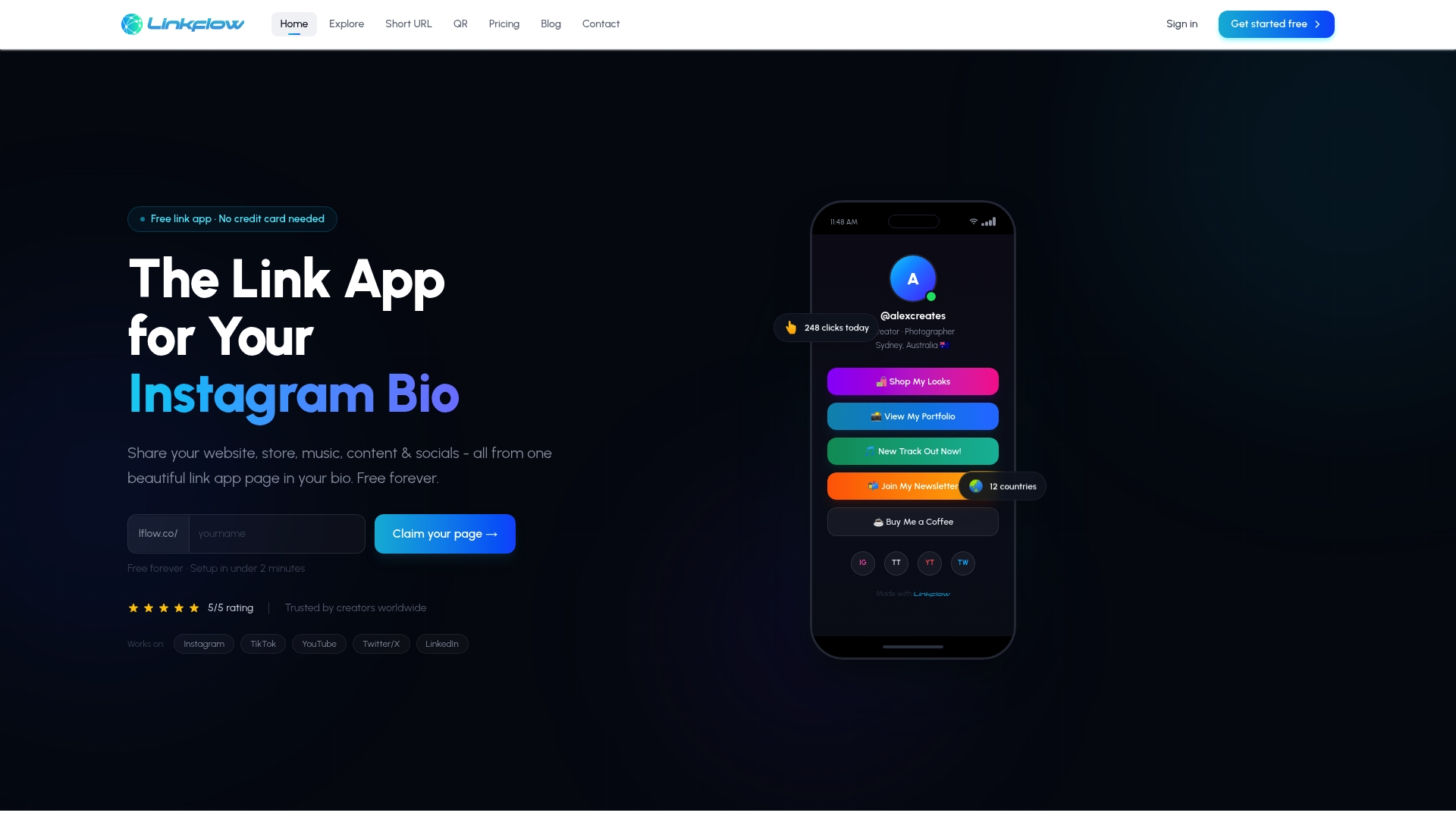
Lflow gives marketers and creators a free link in bio page that consolidates every campaign link, promo code, and product page into one branded URL. Setup takes under two minutes, and real-time analytics show you exactly which links your audience clicks. Pair that with Lflow's free QR code generator to extend your influencer campaigns into offline channels, event activations, and packaging. Every link is mobile-optimized and fully brandable, so your campaign landing experience matches the quality of the content driving traffic to it.
FAQ
What is a list of influencer marketing tactics?
A list of influencer marketing tactics covers the specific methods brands use to partner with creators, including sponsored posts, product seeding, affiliate programs, whitelisting ads, and always-on creator programs. Each tactic serves a different goal across the marketing funnel.
How do you choose influencers for a campaign?
Prioritize audience authenticity and engagement rate over follower count. Check comment quality, audience demographics, and whether the creator's content style matches your brand before committing to a partnership.
What types of influencer campaigns work best for small businesses?
Product seeding, affiliate programs, and micro-influencer partnerships work best for small businesses because they require lower upfront investment and tie creator incentives directly to sales performance.
How do you measure influencer marketing performance?
Use UTM parameters, unique promo codes, affiliate links, and post-purchase surveys together. Matching your KPIs to your campaign goal (impressions for awareness, conversions for sales) gives you an accurate picture of ROI.
Why do long-term influencer partnerships outperform one-off posts?
Repeated, authentic mentions from the same creator build audience trust over time. One-off posts generate a single spike. Long-term programs produce compounding brand familiarity that drives stronger purchase intent.