
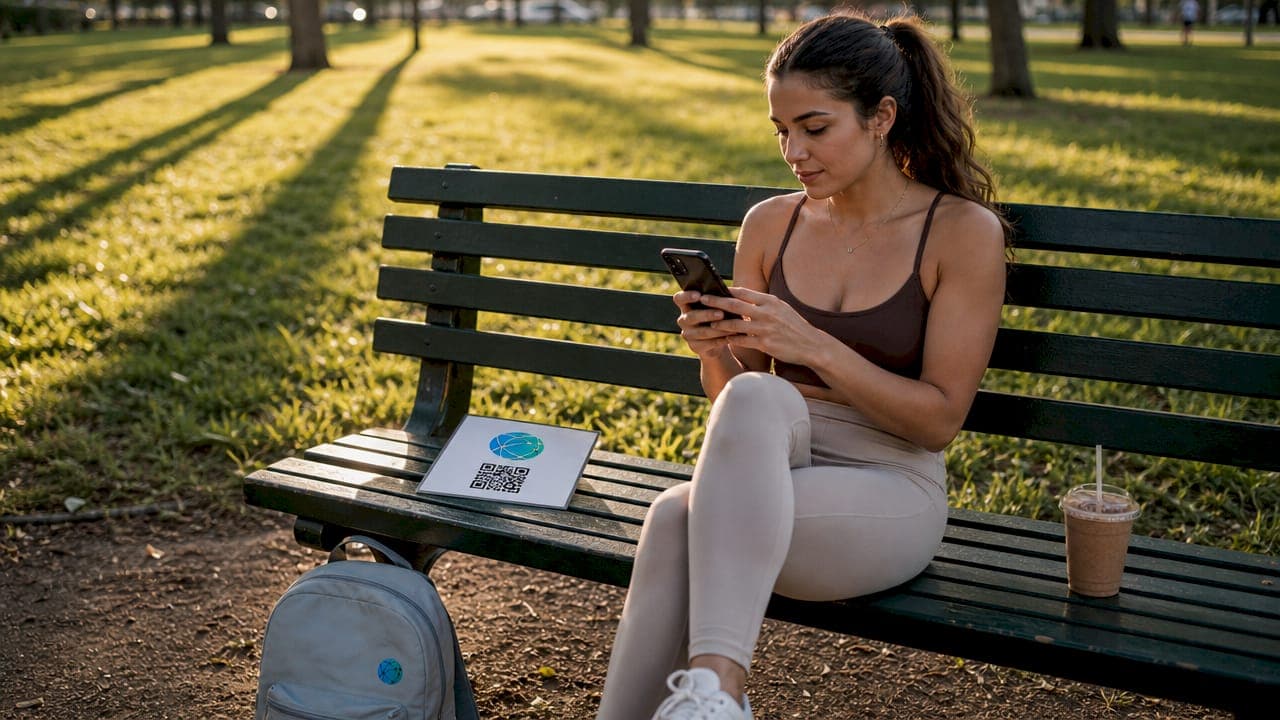
QR codes are the most direct tool influencers have for converting a physical moment into a digital action. With over 2.2 billion people scanning QR codes globally and marketing scan rates up 323% since 2021, the technology has moved from novelty to necessity. The top QR code uses for influencers span everything from scan-to-follow activations at live events to exclusive content drops and affiliate tracking. These aren't static black-and-white squares anymore. Dynamic, branded QR codes now function as precision marketing tools that grow audiences, track conversions, and deliver measurable ROI across Instagram, TikTok, YouTube, and beyond.
1. Top QR code uses for influencers: scan-to-follow activations
The most direct application is also the most powerful. A scan-to-follow QR code links directly to your Instagram, TikTok, or a multi-link social hub that lets new followers choose their preferred platform. Place these codes on event lanyards, pop-up booth signage, or product packaging and you turn every in-person interaction into a follower acquisition.
TikTok influencers using QR codes achieve a median 21% monthly follower growth, with over half of Gen Z users scanning QR codes at least once per week. That frequency matters because it means your audience is already conditioned to scan. The barrier to action is essentially zero.
- Place codes at eye level on all physical materials
- Use a short, specific CTA like "Scan to follow on TikTok" rather than a generic "Scan me"
- Link to a mobile-optimized page that loads in under two seconds
Pro Tip: Codes with a contextual call-to-action receive up to 80% more scans than those without one. Write the CTA directly on the code graphic, not just nearby.
2. Exclusive content drops
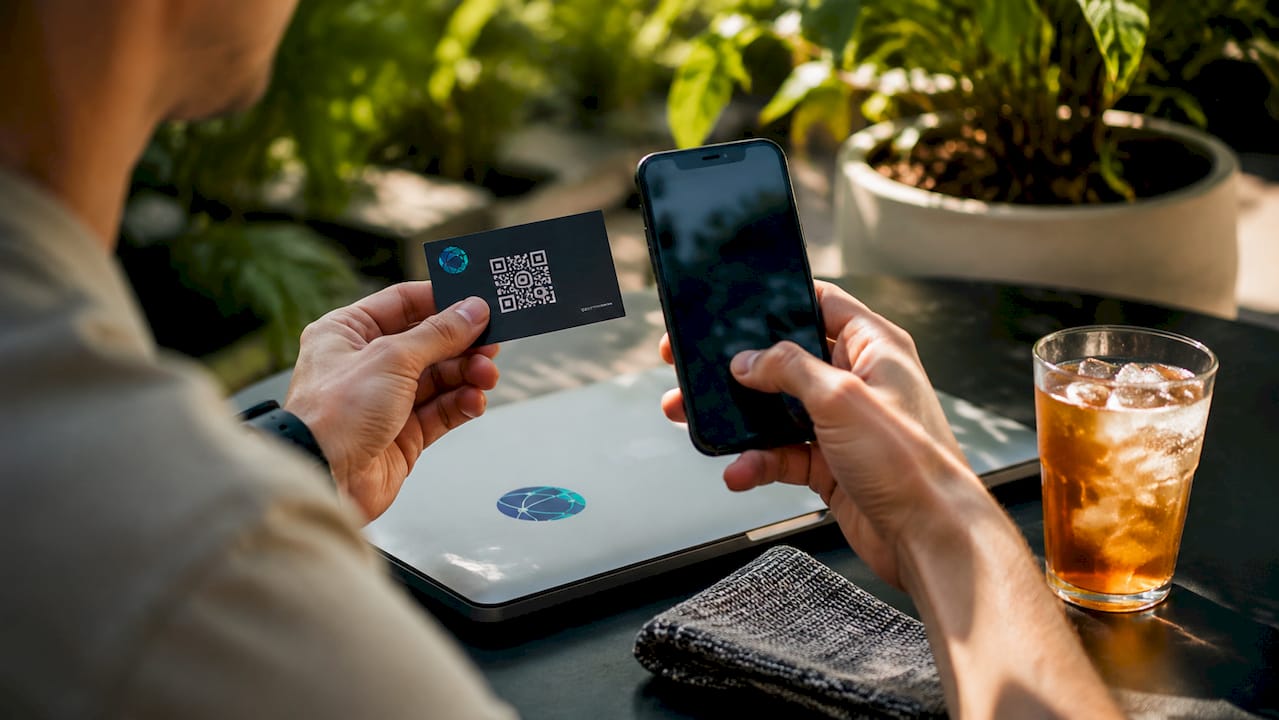
Scarcity and exclusivity are the two most reliable engagement drivers in creator marketing. A QR code printed on a limited-edition product, event ticket, or mailer can unlock behind-the-scenes footage, early access to a new video series, or an augmented reality experience that general followers never see.
Exclusive content motivates 39% of QR code scans, making it the single strongest incentive you can offer. The key is alignment: the landing page must deliver exactly what the code promises. A mismatch between the CTA and the destination is the fastest way to lose trust and spike your bounce rate.
Pro Tip: Use a dynamic QR code so you can swap the destination URL after printing. If the exclusive video goes live a week after the product ships, you can point the code to a teaser page first, then redirect it automatically when the content drops.
3. Discount codes and affiliate offers
Discount delivery is the second-strongest scan motivator, driving 33% of QR code interactions. For influencers running brand partnerships, a QR code that auto-applies a discount code at checkout removes the friction of copying and pasting promo codes. Fewer steps between scan and purchase means higher conversion.
This approach also solves a persistent attribution problem. When a brand partner asks how many sales your content drove, a QR code with UTM parameters encoded in the destination URL gives you a precise answer. You can show exactly which placement, whether a YouTube end card, a Reels graphic, or a product tag, generated each click and conversion.
Pair the QR code with a time-limited offer to create urgency. "Scan for 20% off, expires Sunday" outperforms a permanent discount because it gives followers a reason to act now rather than later.
4. Giveaway and UGC campaign entry
User-generated content campaigns thrive when entry is frictionless. A QR code on a product, flyer, or story graphic that links directly to a giveaway entry page or a hashtag challenge removes every unnecessary step between "I want to enter" and "I entered."
Pair the code with a hashtag instruction on the same graphic. For example: "Scan to enter, then post with #YourBrandChallenge." This creates two simultaneous outcomes: a trackable entry and organic social amplification. Musicians have used this format on concert merchandise to drive both Spotify follows and UGC posts in a single scan.
The post-scan page matters as much as the code itself. A well-designed landing page that optimizes the post-scan experience keeps users engaged long enough to complete the action rather than bouncing after two seconds.
5. Merchandise and packaging integration
Physical products are one of the most underused QR code placements in influencer marketing. A code on a clothing tag, canister label, or shipping insert reaches buyers at peak brand affinity, right when they are holding something they paid for and chose.
Emily Ratajkowski's beauty brand Loops used QR-linked influencer campaigns to connect product packaging directly to digital content, increasing engagement beyond what social posts alone could achieve. The lesson is straightforward: the physical product is a distribution channel for digital content, and QR codes are the connection point.
Keep the code placement clean and intentional. A code buried in fine print on the back of a box gets ignored. A code featured prominently on the front with a one-line CTA gets scanned.
6. Event and conference networking
Live events give influencers a concentrated audience of highly motivated people. A QR code on a name badge, a presentation slide, or a branded backdrop lets attendees follow you instantly without searching for your handle or mistyping a username.
The scan-to-connect use case extends beyond social follows. You can link the code to a digital media kit, a booking inquiry form, or a curated page showing your best brand partnership work. For influencers pursuing brand deals, this turns every handshake into a trackable lead.
Reducing friction with mobile-optimized multi-link pages increases follower retention and cross-platform conversions significantly. One page that shows your Instagram, YouTube, podcast, and contact form is more effective than sending someone to a single profile they may not use.
7. Streaming and music promotion
Musicians and podcasters have adopted QR codes faster than most other creator categories because the use case is obvious. A code on a vinyl sleeve, a tour poster, or a merch table links directly to a Spotify artist page, an Apple Music pre-save, or a YouTube playlist.
The strategic move is to use a dynamic code that you can update between releases. The same code on a poster from last year's tour can now point to your newest album. You get ongoing value from a single printed asset without any reprinting cost.
8. Cross-platform audience migration
Most influencers are stronger on one platform than others. QR codes let you redirect that audience to platforms where you need growth. A TikTok creator with 500,000 followers can print a QR code on every piece of content that links to their YouTube channel, their newsletter signup, or their Patreon page.
Customized branded QR codes increase scan likelihood by building trust and fitting the influencer's visual identity. A code that uses your brand colors and includes your logo looks intentional rather than generic. Followers are more likely to scan something that looks like it belongs in your content.
This is where a centralized link hub becomes critical. Rather than sending followers to a single destination, a multi-link page lets them self-select the platform they prefer, which means you grow everywhere simultaneously from a single scan.
9. Analytics-driven campaign optimization
Dynamic QR codes do something static codes cannot: they generate data. Every scan records the time, location, and device type of the user. Over a campaign, this data tells you which placements perform, which audiences are most active, and what time of day drives the most engagement.
Scan data builds retargeting audiences with higher conversion rates than cold audiences because scanners are voluntary, high-intent users. Someone who scanned your QR code at a pop-up event is far more likely to buy than someone who saw a random ad. Feeding that scan data into a retargeting campaign on Meta or TikTok Ads compounds the original conversion.
Use a free QR code generator that supports UTM parameters from the start. Retrofitting tracking onto an existing campaign is harder than building it in from day one.
Key takeaways
The most effective QR code strategy for influencers combines dynamic codes, branded design, and contextual CTAs to maximize scans, track attribution, and convert followers across every channel.
| Point | Details |
|---|---|
| Dynamic codes over static | Update destination URLs without reprinting, critical for evolving campaigns and seasonal offers. |
| CTA placement is non-negotiable | Codes with a specific call-to-action receive up to 80% more scans than those without. |
| Exclusive content drives scans | 39% of users scan QR codes specifically for exclusive content, making it the top motivator. |
| UTM parameters enable attribution | Encoding UTM data in QR URLs lets you measure ROI by placement, campaign, and platform. |
| Branded codes build trust | Custom colors and logos increase scan likelihood by making codes feel like part of your brand. |
Why most influencers are still leaving QR codes on the table
I've watched creators spend thousands on paid ads to drive followers to a single Instagram profile while ignoring the QR code sitting unused in their link-in-bio tool. The disconnect is real, and it costs them measurable growth.
The conventional wisdom is that QR codes are for retail brands and restaurant menus. That framing is wrong in 2026. The influencers getting the most out of this technology treat every physical touchpoint, merchandise, event appearances, PR packages, as a distribution channel for digital content. The QR code is the mechanism that makes that distribution trackable.
What I've found actually works is starting with one high-traffic placement and one specific CTA, not a generic "scan to learn more" but something like "scan for your 15% off code." Measure the scan rate for two weeks. Then test a different CTA or placement. The data tells you what your audience responds to faster than any intuition will.
The other mistake I see consistently is linking QR codes to a single social profile. A new follower who prefers YouTube but lands on your Instagram page may not convert. A multi-link hub solves this immediately. Give people the choice and they will self-select the platform where they are most likely to stay engaged long-term.
Customize the code to match your brand aesthetic. A black-and-white generic square on a beautifully designed piece of merchandise is a missed opportunity. Your QR code should look like it was designed by the same person who designed everything else.
— Axion
How Lflow helps influencers get more from every scan
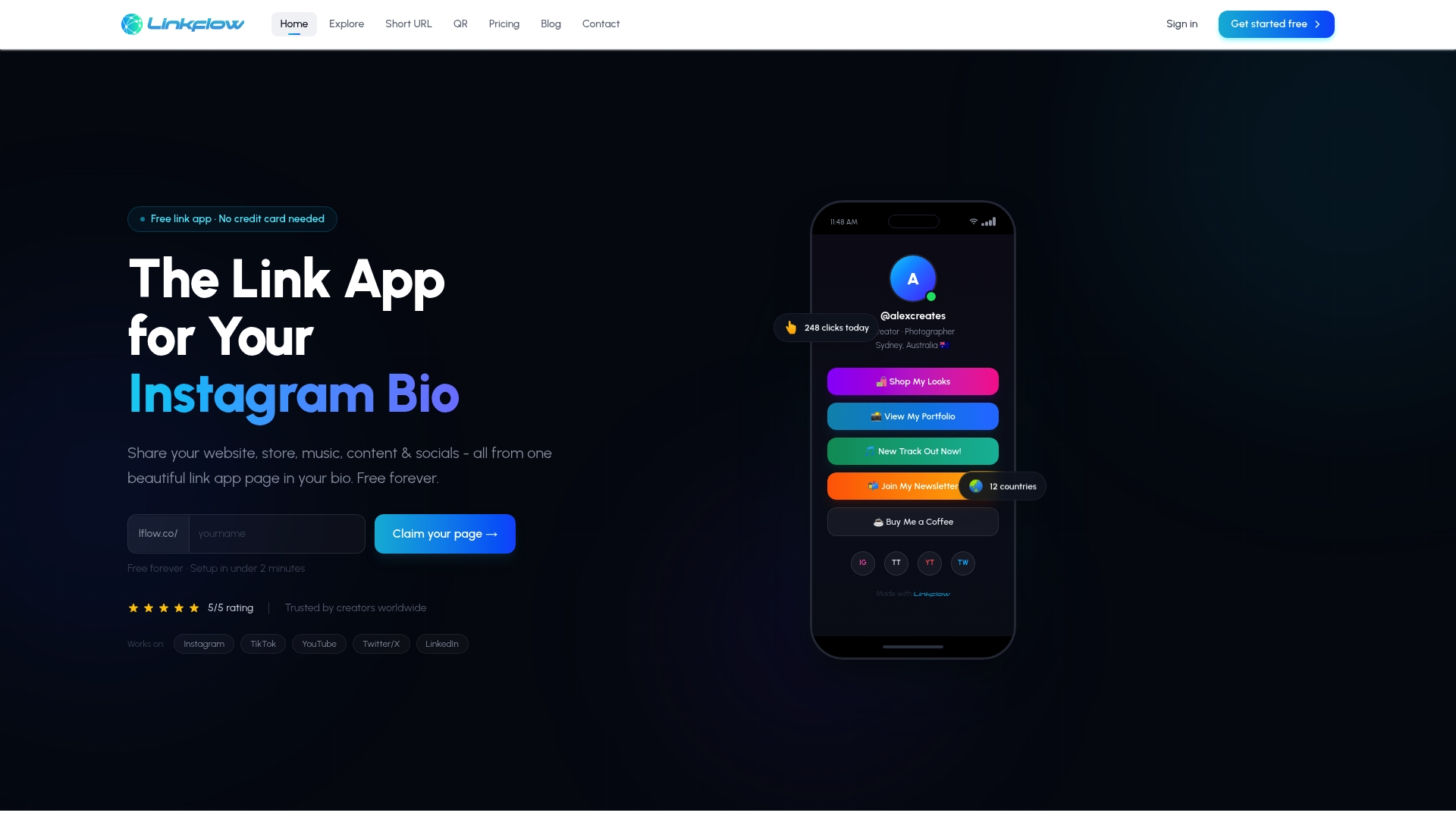
Lflow gives influencers everything needed to run a QR code strategy without a technical background. The platform generates free, branded QR codes that link directly to a customizable multi-link landing page, consolidating your Instagram, TikTok, YouTube, store, and newsletter into one mobile-optimized destination. Real-time analytics show you exactly which scans convert and which placements drive the most traffic. Setup takes under two minutes. Whether you are just starting with QR marketing or scaling an existing campaign, Lflow's free link in bio tool gives you the branded codes, the landing page, and the data in one place.
FAQ
What are the best QR code uses for influencers?
The top uses include scan-to-follow activations, exclusive content delivery, discount code distribution, giveaway entry, and merchandise integration. Each use works best when paired with a specific CTA and a mobile-optimized landing page.
Do QR codes actually grow social media followers?
Yes. TikTok influencers using QR codes see a median 21% monthly follower growth, with Gen Z users scanning at least once per week. Consistent placement across physical and digital materials compounds that growth over time.
What is the difference between static and dynamic QR codes?
Static QR codes link to a fixed URL that cannot be changed after printing. Dynamic QR codes let you update the destination URL at any time, and they generate scan analytics including location, device, and time data.
How do I track which QR code placement performs best?
Encode UTM parameters in each QR code's destination URL, using a unique UTM source for each placement such as "merch-tag" or "event-flyer." This lets you compare performance by placement inside Google Analytics or any analytics dashboard.
How should I design a QR code to get more scans?
Use your brand colors and add your logo to the center of the code. Include a short, specific CTA directly on the graphic. Branded, customized QR codes consistently outperform generic black-and-white codes by increasing consumer trust and recognition.